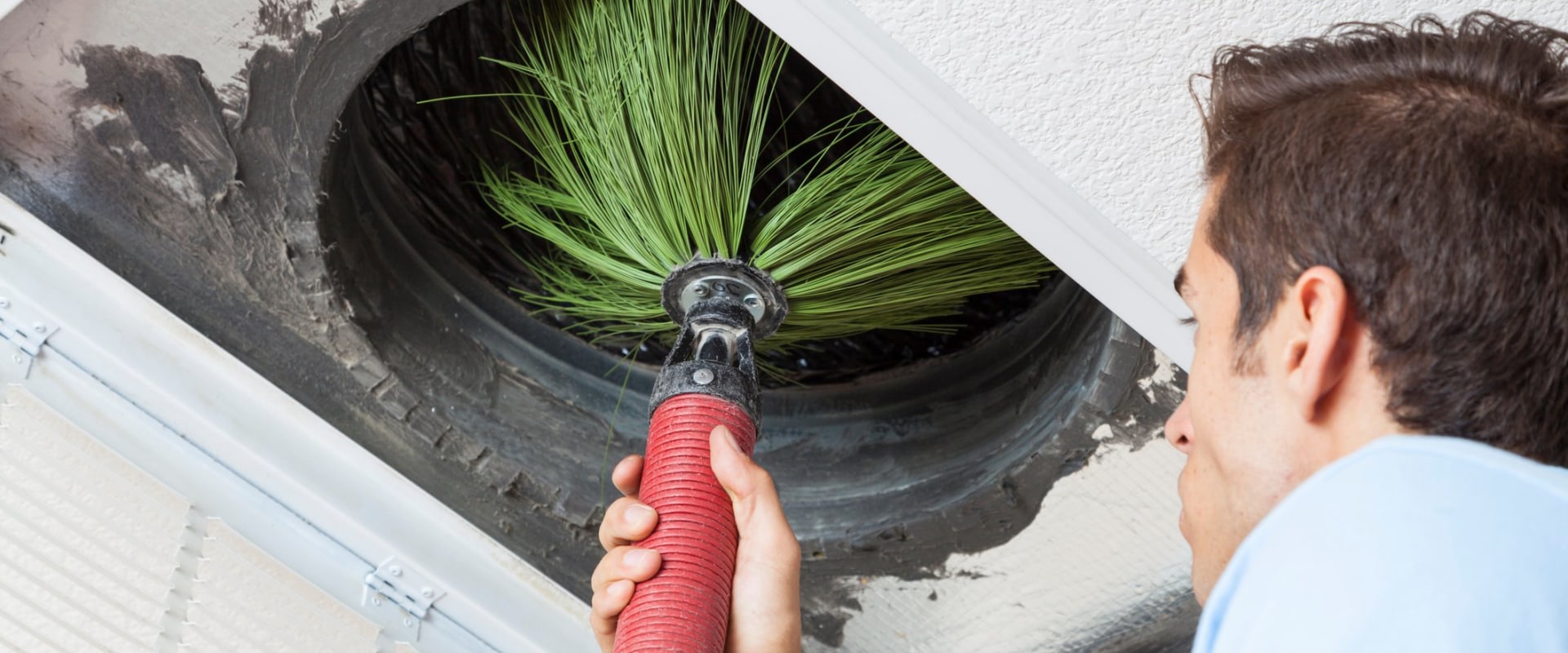
Air duct cleaning is a vital maintenance task that often goes overlooked in many households. As the lungs of your home, air ducts play a crucial role in circulating air throughout your living space, impacting both your comfort and health. Over time, these ducts can accumulate dust, allergens, and other contaminants, which can lead to poor indoor air quality. This is where the importance of duct cleaning nearby comes into play, as local professionals can help ensure that your air ducts are clean and functioning efficiently.Many homeowners may wonder about the benefits of air duct cleaning.
Regular cleaning can enhance the efficiency of your heating and cooling systems, potentially lowering energy bills and extending the lifespan of your HVAC equipment. Additionally, cleaner air ducts can contribute to a healthier living environment by reducing allergens and irritants that may trigger respiratory issues or allergies. However, it’s essential to approach duct cleaning with a clear understanding of the methods used, particularly when it comes to the use of chemicals.In this article, we will delve into the various aspects of air duct cleaning, including its significance and the potential implications of using chemicals during the process. Understanding these factors is crucial for making informed decisions about maintaining your home’s air quality.
Whether you are considering a professional service or contemplating a DIY approach, being well-informed will help you navigate the complexities of air duct maintenance effectively.
The Role of Chemicals in Air Duct Cleaning
When it comes to air duct cleaning, the use of chemicals can play a significant role in enhancing the effectiveness of the cleaning process. Understanding the types of chemicals used, their purposes, and safety considerations is crucial for homeowners looking to maintain a healthy indoor environment.Types of Duct Cleaning Chemicals
There are several categories of chemicals commonly employed in air duct cleaning:- Biocides: These are chemical agents designed to eliminate microbial contaminants such as mold, bacteria, and fungi. Biocides are particularly useful in homes where moisture issues have led to mold growth within the ducts.
- Disinfectants: Disinfectants are used to sanitize surfaces within the ductwork. They help reduce the presence of harmful pathogens that can circulate through the air, potentially affecting indoor air quality.
- Sealants: Sealants are applied after cleaning to prevent future contamination.
They can help seal any cracks or gaps in the ductwork, reducing the likelihood of dust and debris entering the system.
- Encapsulants: Similar to sealants, encapsulants are used to coat surfaces within the ducts. They bind dust and other particles, preventing them from becoming airborne and contributing to poor air quality.
Application of Chemicals
The application of these chemicals typically occurs after a thorough physical cleaning of the ducts. Professionals will first remove visible dust and debris using specialized equipment. Once this initial cleaning is complete, they may apply biocides or disinfectants to ensure that any remaining microbial contaminants are effectively neutralized.It’s important to note that while these chemicals can be beneficial, they should only be used by trained professionals who understand how to apply them safely and effectively.Improper use can lead to chemical residues that may pose health risks to occupants.
Safety Considerations
When considering chemical safety in duct cleaning, homeowners should be aware of several factors:- Ventilation: Ensure that the area is well-ventilated during and after chemical application to minimize inhalation risks.
- Product Selection: Choose products that are specifically designed for use in HVAC systems and are approved by relevant regulatory bodies.
- Professional Expertise: Always hire certified professionals who follow industry standards for chemical use in air duct cleaning.
Are Air Duct Cleaning Chemicals Safe?
When considering air duct cleaning, many homeowners express concerns about the safety of the chemicals used in the process. Understanding the implications of these chemicals is crucial for making informed decisions regarding your home’s air quality.The Environmental Protection Agency (EPA) provides guidelines that emphasize the importance of using products specifically designed for air duct systems. These products are formulated to be safe when applied correctly by trained professionals.However, it is essential to recognize that not all cleaning agents are created equal, and some may pose health risks if misused.
Health Risks Associated with Duct Cleaning Chemicals
While many duct cleaning chemicals are deemed safe, there are potential health risks associated with their use. Some common concerns include:- Volatile Organic Compounds (VOCs): Many cleaning agents release VOCs, which can contribute to indoor air pollution and may cause respiratory issues, headaches, or other health problems.
- Allergic Reactions: Certain individuals may experience allergic reactions to specific chemicals, leading to symptoms such as skin irritation or respiratory distress.
- Long-term Exposure: Prolonged exposure to certain cleaning agents can lead to chronic health issues, particularly for sensitive populations such as children or those with pre-existing conditions.
EPA Recommendations on Duct Cleaning
The EPA does not endorse routine air duct cleaning but suggests it only when necessary. They recommend that homeowners consider cleaning their ducts if:- There is visible mold growth inside the ducts or on other components of the heating and cooling system.
- Ducts are infested with vermin such as rodents or insects.
- Dust and debris are obstructing airflow significantly.
By following EPA guidelines and choosing qualified professionals, you can help ensure a healthier indoor environment without compromising safety.
Potential Risks and Considerations
When considering air duct cleaning, it is crucial for homeowners to be aware of the potential risks and considerations associated with the process. While cleaning ducts can improve indoor air quality, there are several factors that could lead to unintended consequences.Risks of Air Duct Cleaning
One of the primary risks involves the use of harsh chemicals during the cleaning process. Many service providers may employ chemical biocides to eliminate microbial contaminants. However, these substances can pose health risks if not used correctly.Homeowners should inquire about the specific chemicals being used and their potential effects on indoor air quality.
Potential Problems with Duct Cleaning Chemicals
- Health Concerns: Some chemicals can cause respiratory issues, skin irritation, or allergic reactions, particularly in sensitive individuals such as children or those with pre-existing health conditions.
- Residual Effects: If not properly ventilated, chemical residues may linger in the air ducts, leading to prolonged exposure even after the cleaning is completed.
- Environmental Impact: The use of certain chemicals can have negative effects on the environment, contributing to pollution and harming local ecosystems.
Considerations Before Duct Cleaning
Before proceeding with duct cleaning, homeowners should consider the following:- Assessing Necessity: Evaluate whether your ducts truly require cleaning. The EPA recommends cleaning only when there is visible mold growth or significant dust accumulation.
- Choosing a Qualified Provider: Research and select a reputable service provider who follows industry standards and uses safe cleaning methods.
- Understanding Your System: Familiarize yourself with your HVAC system and its components. Knowing how your system works can help you make informed decisions about maintenance and cleaning.
- Preventive Measures: Implement strategies to minimize dust and debris accumulation in your ducts, such as regular filter changes and maintaining humidity levels.
Alternatives to Chemical Treatments
As concerns about the safety and environmental impact of chemical treatments in air duct cleaning grow, many homeowners are seeking non-chemical alternatives that can effectively maintain indoor air quality.Fortunately, there are several eco-friendly methods available that not only clean ducts but also promote a healthier living environment.One of the most popular non-chemical methods is mechanical cleaning. This process involves using specialized equipment, such as high-powered vacuums and brushes, to physically remove dust, debris, and other contaminants from the ductwork. Mechanical cleaning is effective because it directly targets the buildup within the ducts without introducing any chemicals into the air.Another effective option is steam cleaning. This method utilizes high-temperature steam to sanitize and clean the ducts.
The heat from the steam can kill bacteria, mold spores, and other microorganisms that may be present in the duct system. Additionally, steam cleaning helps to loosen dirt and debris, making it easier to remove during the cleaning process.
Ultraviolet (UV) light treatment
is also gaining popularity as a non-chemical solution for duct cleaning. UV lights can be installed within the duct system to continuously kill airborne pathogens and prevent mold growth. This method not only cleans but also helps maintain a healthier indoor environment over time.For those looking for a more hands-on approach, DIY cleaning methods can be effective as well.
Homeowners can use a combination of vacuuming and brushing to clean accessible parts of their duct systems. While this may not replace professional cleaning entirely, it can help reduce dust accumulation between professional cleanings.Lastly, regular maintenance practices such as changing air filters frequently and ensuring proper ventilation can significantly reduce the need for extensive duct cleaning. By keeping your HVAC system well-maintained, you can minimize dust buildup and improve overall air quality without relying on chemical treatments.In conclusion, there are numerous eco-friendly duct cleaning options available that do not involve chemicals. From mechanical cleaning to UV light treatments, these alternatives provide effective solutions for maintaining clean air ducts while being mindful of health and environmental concerns.
Choosing a Professional Duct Cleaning Service
When it comes to maintaining a healthy indoor environment, choosing a professional duct cleaning service is essential.With numerous options available, especially when searching for duct cleaning nearby, it’s important to make an informed decision. Here are some key factors to consider when selecting a reputable service provider.
Research and Recommendations
Start by asking friends, family, or neighbors for recommendations. Personal experiences can provide valuable insights into the quality of service offered by local companies. Additionally, online reviews and ratings on platforms like Google, Yelp, or Angie's List can help you gauge the reputation of potential duct cleaners.Verify Credentials
Ensure that the duct cleaning service you choose is licensed and insured.A reputable company should have the necessary certifications and training to perform air duct cleaning safely and effectively. Look for affiliations with organizations such as the National Air Duct Cleaners Association (NADCA), which sets industry standards for duct cleaning.
Ask the Right Questions
Before hiring a duct cleaning service, prepare a list of questions to ask:- What methods do you use for duct cleaning? Inquire about their cleaning techniques and whether they use specialized equipment.
- Can you provide references? A trustworthy company should be able to provide references from previous clients.
- What is included in your service? Ensure you understand what services are covered in the price, including any additional treatments or inspections.
- Do you offer a written estimate? A reliable service provider should provide a detailed estimate before starting any work.
- How do you handle potential contaminants? Ask about their procedures for dealing with dust, mold, or other contaminants found in ducts.
Get Multiple Quotes
Don’t settle for the first quote you receive. Contact several companies to compare prices and services. This will give you a better understanding of the market rate and help you identify any red flags in pricing.Trust Your Instincts
Finally, trust your instincts.If a company seems unprofessional or if something feels off during your interactions, it’s okay to look elsewhere. The right duct cleaning service should make you feel confident in their ability to improve your home’s air quality.By following these guidelines, you can find a qualified professional for your air duct cleaning needs, ensuring that your home remains a safe and healthy environment.
Frequently Asked Questions (FAQs)
When it comes to duct cleaning nearby, many homeowners have questions and concerns, particularly regarding the use of chemicals in the cleaning process. Below are some frequently asked questions that can help clarify common misconceptions and provide valuable insights.What types of chemicals are used in air duct cleaning?
Professionals may use a variety of products during the air duct cleaning process, including:- Biocides: These are used to eliminate microbial contaminants such as mold and bacteria.
- Sealants: These products can help prevent dust and dirt from re-entering the ducts after cleaning.
- Encapsulants: These are designed to coat surfaces within the ducts to prevent the release of particles into the air.
Are duct cleaning chemicals safe for my family and pets?
When applied correctly by trained professionals, most duct cleaning chemicals are safe. However, it’s crucial to:- Choose a reputable service provider who uses EPA-approved products.
- Ensure proper ventilation during and after the cleaning process.
- Discuss any specific health concerns with your service provider before the cleaning.
Can air duct cleaning chemicals cause health issues?
While there is no conclusive evidence that properly used duct cleaning chemicals pose health risks, some individuals may experience sensitivities.It’s advisable to:
- Avoid using harsh chemicals unless absolutely necessary.
- Consider natural alternatives if you have concerns about chemical exposure.
Is it necessary to use chemicals during duct cleaning?
The use of chemicals is not always necessary. In many cases, thorough mechanical cleaning can effectively remove dust and debris without chemical intervention. Homeowners should weigh the pros and cons based on their specific situation and consult with professionals for tailored advice.By addressing these common questions, homeowners can make informed decisions about air duct cleaning, ensuring a healthier indoor environment while minimizing potential risks associated with chemical use.Conclusion: Making Informed Decisions About Air Duct Cleaning
In conclusion, understanding the complexities surrounding air duct cleaning and the use of chemicals is essential for homeowners. As we have explored, the safety and effectiveness of these practices depend on various factors, including the specific conditions of your home and the qualifications of the service provider you choose.It is crucial to recognize that while air duct cleaning can offer benefits, such as improved system efficiency and potentially better indoor air quality, it is not a one-size-fits-all solution.The Environmental Protection Agency (EPA) does not endorse routine cleaning but suggests it only when necessary. This highlights the importance of assessing your unique situation before proceeding.When considering whether to clean your air ducts, take into account:
- The condition of your ducts: If they are visibly dirty or if there are signs of mold or pest infestations, cleaning may be warranted.
- Your health concerns: If you or your family members experience unexplained health issues, it may be beneficial to consult with a healthcare professional regarding potential indoor air quality problems.
- The qualifications of service providers: Always choose a reputable company that follows industry standards and uses safe, approved products.
Remember, prevention is key; maintaining your HVAC system and addressing moisture issues can significantly reduce the need for extensive duct cleaning in the first place.