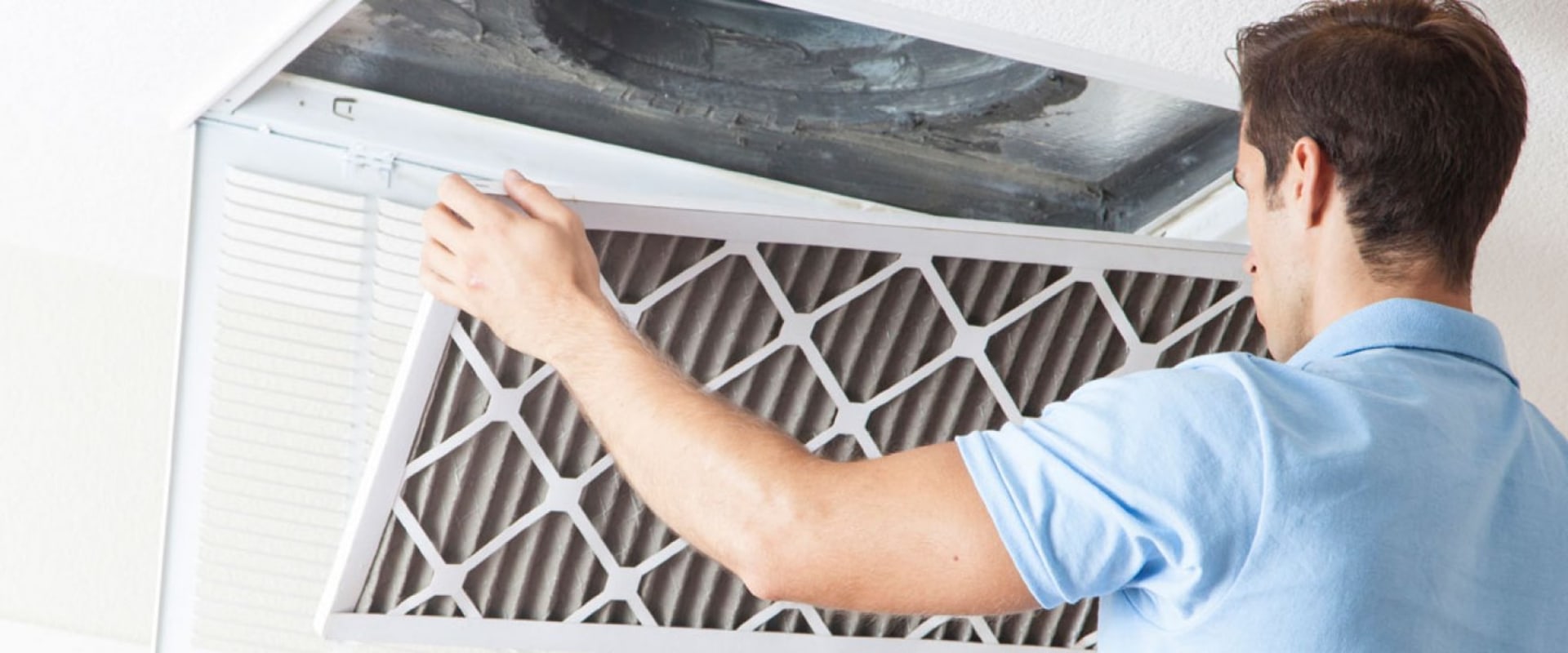
Air duct cleaning has become a hot topic among homeowners, especially those searching for duct cleaning nearby. As we spend more time indoors, the quality of our indoor air has gained significant attention. Many people are curious about whether cleaning their air ducts can improve their home’s air quality and overall health. However, with so much conflicting information available, it’s essential to separate fact from fiction.One of the most common misconceptions is that dirty air ducts are the primary source of indoor air pollution.
While it’s true that dust and debris can accumulate in your ducts over time, experts emphasize that these particles typically remain settled within the ductwork and do not circulate into your living spaces. In fact, activities such as cooking, cleaning, and even pet dander contribute more significantly to indoor air quality issues than unclean ducts. Understanding this distinction is crucial for homeowners considering whether to invest in duct cleaning services.Moreover, many believe that regular air duct cleaning is necessary for maintaining a healthy home environment. However, research indicates that there is no universal guideline recommending routine cleaning.
The Environmental Protection Agency (EPA) suggests that duct cleaning should only be performed when there is visible mold growth or an infestation of vermin. This highlights the importance of discerning when duct cleaning is genuinely needed versus when it may be an unnecessary expense.As we delve deeper into the topic, we will explore the potential benefits of air duct cleaning, address prevalent myths surrounding the practice, and share insights from industry experts. By doing so, we aim to provide a comprehensive understanding of air duct cleaning and its relevance in today’s homes.
What Experts Say About Air Duct Cleaning
When it comes to duct cleaning nearby, the opinions of air quality experts and organizations like the Environmental Protection Agency (EPA) are invaluable. These professionals emphasize the need for a balanced approach to air duct maintenance, focusing on specific circumstances rather than a blanket recommendation for regular cleaning.According to the EPA, there is no definitive evidence that routine air duct cleaning is necessary for maintaining good indoor air quality.Instead, they suggest that homeowners should consider cleaning their ducts only under certain conditions:
- If there is visible mold growth inside the ducts or on other components of the heating and cooling system.
- If the ducts are infested with vermin, such as rodents or insects.
- If there is an excessive amount of dust and debris that is being released into the living space.
It’s essential to choose a qualified provider who adheres to industry standards and practices. This ensures that the cleaning process does not inadvertently cause more harm than good by dislodging dust and contaminants into your home.Ultimately, while expert opinions vary, the consensus is clear: duct cleaning should be approached thoughtfully and based on specific needs rather than as a routine maintenance task. By following expert guidance and focusing on overall indoor air quality management, homeowners can make informed decisions about their air duct systems.
The Health Implications of Dirty Air Ducts
When it comes to maintaining a healthy indoor environment, the condition of your air ducts plays a crucial role.Dirty air ducts
can harbor a variety of pollutants that may compromise indoor air quality, leading to potential health risks for you and your family.One of the primary concerns regarding unclean air ducts is the accumulation of dust, mold, and other allergens.These contaminants can circulate throughout your home every time your heating or cooling system operates. For individuals with respiratory issues, such as asthma or allergies, this can exacerbate their symptoms and lead to increased discomfort.Moreover, the presence of mold in air ducts is particularly alarming. Mold spores can trigger allergic reactions and respiratory problems, especially in sensitive individuals. If moisture is present in the ducts, it creates an ideal environment for mold growth.
This not only affects air quality but can also lead to structural damage within your home if left unaddressed.In addition to biological contaminants, air ducts can also accumulate particulate matter from various sources, including:
- Pet dander
- Pollen
- Dust mites
- Smoke from cooking or tobacco
- Volatile organic compounds (VOCs) from household products
Homeowners should remain vigilant about their indoor environment and consider professional duct cleaning as part of their routine maintenance.
Common Myths About Air Duct Cleaning
When it comes to duct cleaning, many homeowners are often misled by common myths that circulate in the community. These misconceptions can lead to unnecessary expenses or even health concerns. Here, we will debunk some of the most prevalent myths surrounding air duct cleaning.- Myth 1: Air Duct Cleaning is Always Necessary
Many believe that air duct cleaning should be performed regularly, similar to changing air filters. However, experts suggest that duct cleaning is only necessary when there is visible mold growth, an infestation of vermin, or excessive dust and debris buildup.Routine cleaning without these indicators may not provide any significant benefits.
- Myth 2: Cleaning Ducts Improves Air Quality Significantly
While it’s true that clean ducts can contribute to better air quality, they are just one part of a larger system. Factors such as household activities—like cooking and cleaning—also play a significant role in indoor air quality. Therefore, focusing solely on duct cleaning may not yield the expected improvements. - Myth 3: All Duct Cleaning Services are the Same
Not all duct cleaning services are created equal. Some companies may use subpar methods or equipment that do not effectively clean the ducts.It’s crucial to research and choose a reputable service provider who follows industry standards and uses advanced techniques.
- Myth 4: Duct Cleaning Can Cause Damage
There is a concern that duct cleaning can dislodge dirt and debris, causing it to circulate in the home. While improper techniques can lead to issues, professional cleaners use specialized equipment designed to minimize this risk. When done correctly, duct cleaning should not cause damage. - Myth 5: Duct Cleaning is a One-Time Solution
Some homeowners think that once their ducts are cleaned, they will remain clean indefinitely. In reality, ducts can accumulate dust and debris over time due to normal household activities.Regular maintenance and cleaning are essential for maintaining optimal air quality.
When Should You Consider Air Duct Cleaning?
Determining the right time to consider air duct cleaning can be crucial for maintaining a healthy indoor environment. While there is no one-size-fits-all answer, several specific scenarios and signs can indicate that it may be time to schedule a cleaning.Signs You Need Duct Cleaning
- Visible Dust and Debris: If you notice a significant buildup of dust around your home, particularly on vents or registers, this could be a sign that your air ducts are harboring excess dirt.
- Unpleasant Odors: Foul smells emanating from your HVAC system can indicate mold growth or other contaminants in the ducts. If you detect musty or stale odors, it’s time to investigate further.
- Increased Allergies or Respiratory Issues: If you or your family members experience heightened allergy symptoms, asthma attacks, or other respiratory problems, dirty air ducts may be contributing to poor indoor air quality.
- Recent Renovations: Home renovations can introduce dust and debris into your ductwork.
If you’ve recently remodeled, it’s wise to consider a cleaning to remove any construction particles.
- Pest Infestations: Evidence of rodents or insects in your home can lead to contamination in your ducts. If you suspect pests, it’s essential to address the issue and clean the ducts afterward.
Duct Cleaning Frequency
The frequency of air duct cleaning can vary based on several factors, including the type of environment you live in and how often you use your HVAC system. Here are some general guidelines:
- Every 3-5 Years: For most households, a thorough cleaning every three to five years is sufficient. This timeframe allows for the natural accumulation of dust without compromising air quality.
- More Often for Specific Situations: Homes with pets, smokers, or individuals with allergies may require more frequent cleanings—potentially every year or two—to maintain optimal air quality.
- After Major Events: Consider cleaning your ducts after significant events such as flooding, fire damage, or extensive renovations to ensure that contaminants are removed.
Regular maintenance not only helps in keeping the air clean but also extends the lifespan of your HVAC system.
How to Choose a Reliable Duct Cleaning Service Nearby
Choosing a reliable duct cleaning service nearby is crucial for ensuring that your home’s air quality is maintained and that the cleaning process is performed correctly. With numerous options available, it can be overwhelming to determine which service provider is trustworthy and competent. Here are some essential tips to help you make an informed decision.- Research Local Options: Start by searching for duct cleaning services nearby. Look for companies with a solid reputation in your community.
Online reviews and testimonials can provide insight into the experiences of other customers.
- Check Credentials: Ensure that the duct cleaning company you consider is licensed and insured. This protects you from liability in case of accidents during the cleaning process. Additionally, check if they have certifications from recognized organizations, such as the National Air Duct Cleaners Association (NADCA).
- Ask About Their Methods: Inquire about the techniques and equipment they use for duct cleaning. A reliable service provider should use advanced tools and follow industry standards to ensure thorough cleaning without damaging your ducts.
- Get Multiple Quotes: Don’t settle for the first estimate you receive.
Contact several companies to compare prices and services offered. Be cautious of prices that seem too low, as they may indicate subpar service or hidden fees.
- Inquire About Experience: Ask how long the company has been in business and their experience with duct cleaning specifically. A company with a long track record is likely to have encountered various situations and can handle your needs effectively.
- Request References: A reputable duct cleaning service should be willing to provide references from previous clients. Contact these references to ask about their satisfaction with the service provided.
- Understand the Process: Before hiring, ensure you understand what the cleaning process entails.
A good company will explain how they will clean your ducts, what to expect during the service, and any necessary preparations on your part.
- Look for Guarantees: Reliable companies often offer satisfaction guarantees or warranties on their work. This shows confidence in their services and provides you with peace of mind.
The Process of Air Duct Cleaning: What to Expect
When you decide to have your air ducts cleaned, understanding the air duct cleaning process can help set your expectations. Typically, a professional service will follow a series of steps to ensure thorough cleaning and maintenance of your ductwork.Initial Inspection
- The process usually begins with an initial inspection of your duct system. Technicians will assess the condition of the ducts, looking for signs of dust buildup, mold, or any obstructions.
- They may use specialized cameras to get a clear view inside the ducts, allowing them to identify problem areas that need attention.
Preparation
- Before starting the cleaning process, technicians will prepare the area.
This includes covering floors and furniture to protect them from dust and debris.
- They will also ensure that all necessary equipment is ready, including vacuum systems and brushes designed specifically for duct cleaning.
Cleaning Process
- The actual cleaning begins with the use of powerful vacuums that create negative pressure within the duct system. This helps to contain dust and debris as it is dislodged.
- Technicians will use various tools, such as rotary brushes and air whips, to agitate and remove dirt from the duct walls. This step is crucial for ensuring that all contaminants are effectively removed.
- In some cases, additional treatments may be applied to eliminate microbial growth or odors. However, these should only be used after thorough cleaning has been completed.
Post-Cleaning Inspection
- After the cleaning is complete, a follow-up inspection is conducted to ensure that all areas have been adequately cleaned.
Technicians may show you before-and-after photos to demonstrate the effectiveness of their work.
- They will also check for any remaining issues that might need further attention, such as leaks or damage in the ductwork.
Final Steps
- The final step involves sealing up any access points used during the cleaning process and ensuring that your home is left clean and tidy.
- Technicians may provide you with maintenance tips to help keep your ducts clean longer, such as changing filters regularly and scheduling periodic inspections.
Cost Considerations for Air Duct Cleaning Services
When considering air duct cleaning services, understanding the cost factors involved is crucial for homeowners. The price of duct cleaning can vary significantly based on several elements, which we will explore in detail.Average Pricing
The average cost for air duct cleaning typically ranges from $300 to $500 for a standard single-family home. However, this price can fluctuate based on the size of the home, the number of ducts, and the complexity of the system. For larger homes or those with extensive ductwork, costs can exceed $1,000.
Factors Influencing Cost
- Home Size: Larger homes generally have more ducts and require more time and effort to clean, leading to higher costs.
- Duct Condition: If ducts are heavily contaminated with dust, mold, or pests, additional cleaning methods may be necessary, increasing the overall price.
- Accessibility: Ducts that are difficult to access may require specialized equipment or additional labor, which can raise costs.
- Service Provider: Different companies have varying pricing structures.
Some may offer flat rates while others charge by the hour or per vent.
Finding Affordable Options
While it’s important to find affordable duct cleaning options, it’s equally essential not to compromise on quality. Here are some tips to help you find a balance:
- Get Multiple Quotes: Contact several service providers to compare prices and services offered. This will give you a better understanding of the market rate.
- Check for Promotions: Many companies offer seasonal discounts or package deals that can significantly reduce costs.
- Read Reviews: Look for customer feedback online to ensure that you choose a reputable service provider who offers good value for money.
- Avoid Low-Ball Offers: Be cautious of prices that seem too good to be true. Extremely low quotes may indicate subpar service or hidden fees.
By comparing prices and seeking out reputable providers, you can find affordable options that maintain high standards of quality.
Maintaining Clean Air Ducts: Tips for Homeowners
Maintaining clean air ducts is essential for ensuring good indoor air quality and reducing the frequency of professional cleanings. Here are some practical tips that homeowners can implement to keep their air ducts in optimal condition:- Regularly Change Air Filters: One of the simplest yet most effective ways to maintain clean air ducts is by changing your HVAC system's air filters regularly. Depending on the type of filter you use, it’s advisable to replace it every 1 to 3 months. A clean filter prevents dust and debris from circulating through your home and settling in the ducts.
- Keep Vents Clear: Ensure that all vents and registers are unobstructed by furniture, curtains, or other items.
Blocked vents can lead to poor airflow, causing your HVAC system to work harder and potentially leading to dirt accumulation in the ducts.
- Seal Ducts Properly: Inspect your ductwork for any leaks or gaps. Sealing these areas with appropriate duct tape or mastic can prevent dust and contaminants from entering the system, thereby keeping your ducts cleaner.
- Maintain a Clean Home: Regular cleaning of your home can significantly reduce the amount of dust that enters your air ducts. Vacuuming carpets, dusting surfaces, and using doormats can help minimize dirt accumulation.
- Control Humidity Levels: High humidity can promote mold growth within your ducts. Using dehumidifiers in damp areas of your home can help maintain optimal humidity levels, reducing the risk of mold and mildew.
- Schedule Routine Inspections: Consider having a professional inspect your HVAC system and ductwork at least once a year.
They can identify potential issues before they become significant problems and recommend cleaning if necessary.
Conclusion: Making Informed Decisions About Air Duct Cleaning
In summary, the conversation surrounding air duct cleaning is complex and often filled with misconceptions. As we have explored, the decision to clean your air ducts should not be taken lightly and requires careful consideration of various factors.First and foremost, it is essential to recognize that while cleaning air ducts can be beneficial in certain situations, it is not a one-size-fits-all solution. The Environmental Protection Agency (EPA) emphasizes that duct cleaning should only be performed when there is a clear need, such as visible mold growth or an excessive buildup of dust and debris.Therefore, homeowners should assess their unique circumstances before making a decision.Moreover, understanding the potential health implications is crucial. While some may believe that dirty ducts are a primary source of indoor air pollution, research indicates that other factors—such as cooking, smoking, and even household activities—often contribute more significantly to air quality issues. Thus, addressing these sources may yield more immediate benefits than focusing solely on duct cleaning.When considering duct cleaning nearby, it is vital to choose a reputable service provider. Homeowners should conduct thorough research, checking for certifications and customer reviews to ensure they hire qualified professionals who adhere to industry standards.
This diligence can help prevent potential harm that may arise from improper cleaning techniques.Ultimately, the key takeaway is to make informed decisions based on expert advice and personal circumstances. If you suspect that your indoor air quality is compromised or if you experience unexplained health symptoms, consulting with a healthcare professional or an indoor air quality expert can provide valuable insights tailored to your situation.In conclusion, while air duct cleaning can play a role in maintaining a healthy home environment, it should be approached with caution and informed judgment. By weighing the evidence and considering expert recommendations, homeowners can make choices that best suit their needs and promote better indoor air quality.