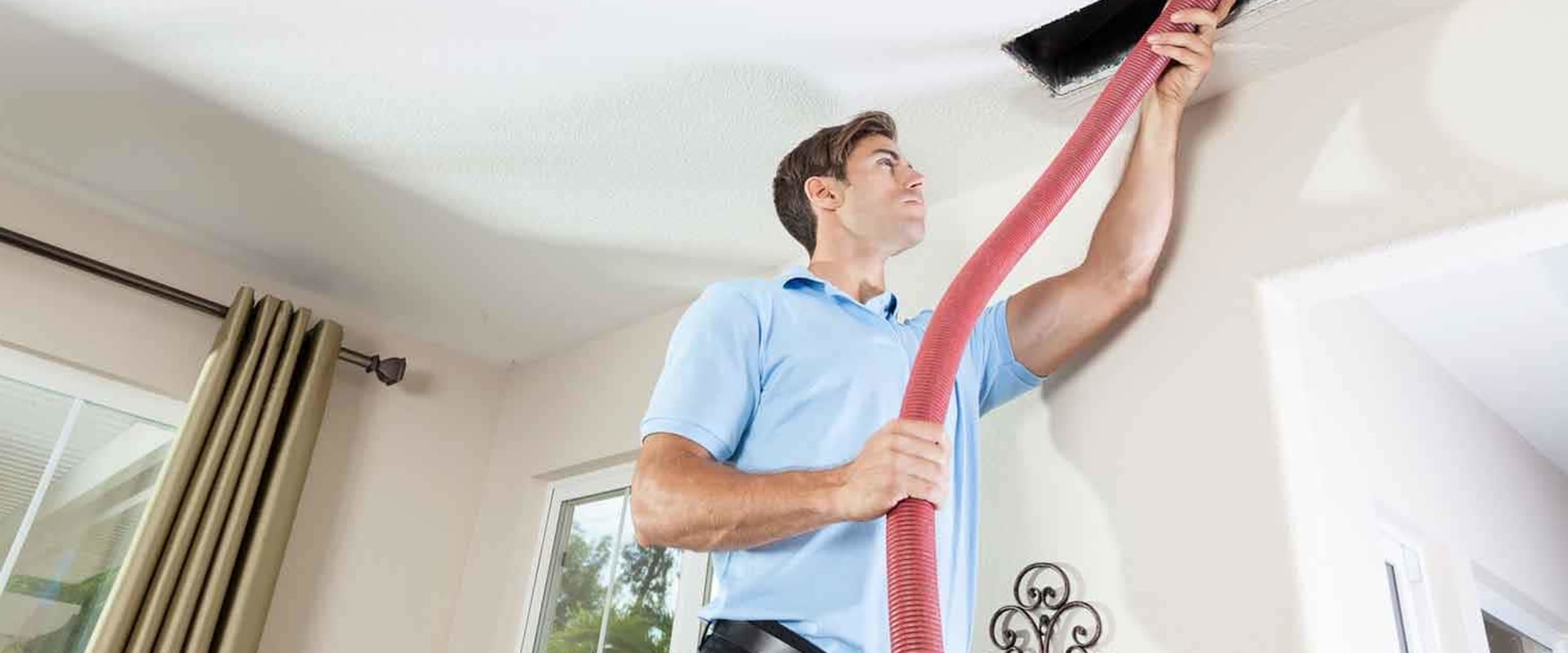
Air ducts are often the unsung heroes of our homes, playing a crucial role in maintaining indoor air quality. These conduits are responsible for distributing heated or cooled air throughout your living spaces, ensuring that every room remains comfortable regardless of the season. However, many homeowners overlook the importance of these systems until they notice unpleasant odors or a decline in air quality. Understanding how air ducts function and their impact on your home environment is essential for maintaining a healthy living space.Over time, air ducts can accumulate dust, allergens, and other contaminants that can significantly affect the quality of the air you breathe.
This buildup not only hampers the efficiency of your HVAC system but can also lead to health issues for you and your family. For instance, individuals with allergies or respiratory conditions may find their symptoms exacerbated by poor air quality stemming from dirty ducts. Therefore, regular maintenance and duct cleaning nearby should be a priority for homeowners who wish to ensure a safe and healthy indoor environment.Moreover, the presence of mold, mildew, and other harmful microorganisms in your air ducts can contribute to unpleasant odors that permeate your home. These odors can be particularly troublesome in areas with high humidity or inadequate ventilation.
By understanding the role of air ducts in your home's overall air quality, you can take proactive steps to address any issues before they escalate into more significant problems. In the following sections, we will delve deeper into how professional duct cleaning can help eliminate odors and improve the overall atmosphere of your home.
Common Sources of Odors in Air Ducts
Understanding the sources of odors in air ducts is crucial for maintaining a healthy indoor environment. Various factors contribute to unpleasant smells circulating through your HVAC system, and identifying these sources can help you take appropriate action.Mold and Mildew
One of the most common culprits of foul odors in air ducts is mold and mildew. These fungi thrive in damp, humid conditions, often found in areas where moisture accumulates.
If your home has experienced water damage or if your air conditioning system is not functioning properly, mold can develop within the ducts. The musty smell associated with mold can permeate your living space, leading to health issues such as allergies and respiratory problems.
Dust and Debris
Over time, dust, dirt, and other debris can accumulate in your air ducts. This buildup not only affects air quality but can also produce unpleasant odors as it decomposes. When your HVAC system operates, it circulates these particles throughout your home, making the air smell stale or dirty.
Regular cleaning of your ducts can help mitigate this issue.
Pet Dander and Hair
If you have pets, their dander and hair can contribute significantly to odors in your air ducts. As these particles circulate through the HVAC system, they can create a lingering smell that may be unpleasant for some family members or guests. Regular vacuuming and cleaning can help reduce this buildup.
Dead Animals
In some cases, the source of an odor may be more alarming—such as a dead animal trapped within the ductwork. This situation not only creates a foul smell but can also pose health risks due to bacteria and pathogens.
If you suspect this is the case, it’s essential to contact a professional service immediately to address the issue safely.
Chemical Spills
Another potential source of odors in air ducts is chemical spills or leaks from household products. Cleaning agents, paints, or solvents can emit strong smells that become trapped in the ductwork. Ensuring proper ventilation when using such products can help prevent these odors from becoming a problem.By understanding these common sources of odors in air ducts, homeowners can take proactive steps to maintain their HVAC systems and improve indoor air quality. Regular inspections and cleanings are essential for preventing these issues from arising.
The Duct Cleaning Process: What to Expect
Understanding the duct cleaning process is essential for homeowners considering professional services.A thorough cleaning not only enhances air quality but also ensures the efficiency of your HVAC system. Here’s what you can expect during a typical duct cleaning service.
1.Initial Inspection
The process begins with a comprehensive inspection of your ductwork. Professionals will assess the condition of your ducts, looking for signs of dust buildup, mold growth, or any blockages. This step is crucial as it helps determine the extent of cleaning required and identifies any potential issues that may need addressing.
2.Preparation
Before the actual cleaning starts, technicians will prepare the area by covering vents and registers to prevent dust from spreading throughout your home.
They may also use drop cloths to protect your flooring and furniture.
3.Cleaning Methods
There are several methods used in professional duct cleaning, including:
- Vacuum Cleaning: High-powered vacuums are used to remove dust and debris from the ducts. This method often involves a negative pressure system that ensures contaminants are safely removed from your home.
- Brush Cleaning: In some cases, brushes are employed to dislodge stubborn dirt and debris stuck to the duct walls. This method is particularly effective for removing larger particles.
- Sanitization: After cleaning, professionals may apply a sanitizing agent to eliminate any remaining bacteria or mold spores, ensuring that your ducts are not only clean but also hygienic.
4.Equipment Used
The equipment used in duct cleaning is specialized and designed for efficiency. Common tools include:
- High-Efficiency Particulate Air (HEPA) Vacuums: These vacuums capture even the smallest particles, ensuring thorough cleaning.
- Rotary Brushes: These brushes help scrub the interior surfaces of ducts, dislodging dirt and debris effectively.
- Cameras: Some professionals use cameras to inspect hard-to-reach areas within the ductwork, providing visual confirmation of cleanliness.
5.Final Inspection and Recommendations
Once the cleaning is complete, technicians will conduct a final inspection to ensure all areas have been adequately addressed.
They may provide recommendations for maintaining clean ducts in the future, such as regular inspections and changing air filters frequently.This thorough duct cleaning process not only improves indoor air quality but also enhances the overall efficiency of your HVAC system, making it a worthwhile investment for any homeowner.
Myths and Misconceptions About Duct Cleaning
When it comes to duct cleaning, there are numerous myths and misconceptions that can cloud homeowners' understanding of its true benefits and limitations. Addressing these misunderstandings is crucial for making informed decisions about maintaining your home’s air quality.Myth #1: Duct Cleaning Will Eliminate All Odors
One of the most prevalent myths is that cleaning your air ducts will completely eradicate all unpleasant odors in your home. While duct cleaning can help reduce some odors caused by dust, mold, or debris accumulation, it is not a catch-all solution. For instance, if the source of the odor is a dead animal trapped within the ductwork or a chemical spill, simply cleaning the ducts will not resolve the issue.
Identifying and addressing the root cause of the smell is essential for effective odor elimination.
Myth #2: All Ducts Are the Same
Another common misconception is that all air ducts are uniform in shape and size. In reality, duct systems can vary significantly based on a home’s design and layout. This diversity means that specialized tools and techniques are often required for thorough cleaning. Attempting to clean ducts without understanding their specific configuration can lead to incomplete cleaning and potential damage.
Myth #3: DIY Duct Cleaning Is Just as Effective
Many homeowners believe they can effectively clean their air ducts themselves using household tools.
While some DIY methods exist, they often fall short of professional standards. Professional duct cleaning services utilize advanced equipment and techniques that ensure a comprehensive clean without damaging your HVAC system. Moreover, professionals are trained to identify issues that may not be visible to the untrained eye.
Myth #4: Duct Cleaning Is Only Necessary When There Are Visible Issues
Some people think that duct cleaning is only necessary when they can see dust or debris in their vents. However, many contaminants are not visible to the naked eye but can still affect indoor air quality.
Regular maintenance, including duct cleaning nearby, can prevent buildup and improve overall air quality.
Myth #5: Duct Cleaning Is a One-Time Solution
Lastly, many homeowners believe that once they have their ducts cleaned, they will remain clean indefinitely. In reality, ducts should be cleaned regularly to maintain optimal air quality and system efficiency. Factors such as pets, smoking, and local environmental conditions can contribute to the accumulation of dust and allergens over time.By debunking these myths surrounding duct cleaning, homeowners can better understand its role in maintaining a healthy living environment. It’s essential to approach duct cleaning with realistic expectations and recognize its limitations while also appreciating its benefits.
Benefits of Regular Duct Cleaning Beyond Odor Elimination
While many homeowners focus on the immediate concern of odors when considering duct cleaning nearby, the benefits of regular duct cleaning extend far beyond just eliminating unpleasant smells.Understanding these advantages can help you appreciate the importance of maintaining clean air ducts in your home.
Improved Indoor Air Quality
One of the most significant benefits of regular duct cleaning is the enhancement of indoor air quality. Over time, dust, pollen, pet dander, and other pollutants accumulate in your air ducts. When your HVAC system operates, these contaminants are circulated throughout your home, potentially leading to respiratory issues and allergies. By investing in professional duct cleaning, you can significantly reduce these airborne particles, creating a healthier living environment.Reduction of Allergens
For individuals suffering from allergies or asthma, clean air ducts can make a noticeable difference.Regular cleaning helps to remove allergens such as:
- Dust mites: These microscopic creatures thrive in dust and can trigger allergic reactions.
- Mold spores: Mold can grow in damp areas of your ducts, releasing spores into the air that can exacerbate respiratory problems.
- Pollen: Seasonal allergens can enter your home through open windows and doors, settling in your ducts.
Increased HVAC Efficiency
A clean HVAC system operates more efficiently than a dirty one. When dust and debris accumulate in your ducts, they restrict airflow, forcing your heating and cooling systems to work harder to maintain the desired temperature. This increased workload not only raises energy bills but also shortens the lifespan of your HVAC equipment. Regular duct cleaning ensures optimal airflow, allowing your system to function efficiently and effectively.Long-Term Cost Savings
Investing in regular duct cleaning can lead to long-term savings.By improving energy efficiency and reducing wear and tear on your HVAC system, you may find that you spend less on repairs and replacements over time. Additionally, cleaner air can lead to fewer health-related expenses associated with allergies and respiratory issues.In conclusion, while odor elimination is a valid concern when it comes to duct cleaning, the broader benefits—such as improved indoor air quality, reduced allergens, increased HVAC efficiency, and long-term cost savings—make regular duct maintenance an essential part of home care. Prioritizing clean air ducts not only enhances comfort but also promotes a healthier living environment for everyone in your home.
When to Consider Professional Duct Cleaning Services
Understanding when to seek professional duct cleaning services is crucial for maintaining a healthy home environment. While regular maintenance is essential, certain signs indicate that it’s time to call in the experts.Here are some key indicators that suggest your air ducts may need professional attention:
- Visible Dust and Debris: If you notice a significant buildup of dust around your home, particularly on vents and registers, it may be time to consider duct cleaning. Dust accumulation can indicate that your ducts are harboring more debris than they should.
- Unpleasant Odors: Foul smells emanating from your HVAC system can be a sign of mold, mildew, or other contaminants within the ducts. If you detect persistent odors that worsen when the system is running, it’s advisable to have your ducts professionally cleaned.
- Allergy Symptoms: If you or your family members experience increased allergy symptoms or respiratory issues, dirty air ducts could be a contributing factor. Cleaning the ducts can help reduce allergens and improve indoor air quality.
- Recent Renovations: Home renovations can generate a lot of dust and debris.
If you’ve recently remodeled or had significant work done in your home, it’s wise to schedule a duct cleaning to remove any construction particles that may have settled in the ducts.
- Pest Infestations: The presence of pests such as rodents or insects in your home can lead to contamination within your air ducts. If you suspect an infestation, it’s essential to clean the ducts after pest control measures have been taken.
If you notice any of these signs, don’t hesitate to reach out to a qualified duct cleaning service in your area for an assessment.
DIY Duct Cleaning: Pros and Cons
When it comes to maintaining your home’s air quality, duct cleaning is a crucial task. Many homeowners consider taking the DIY route for duct cleaning, but it’s essential to weigh the pros and cons before diving in.Pros of DIY Duct Cleaning
- Cost Savings: One of the most significant advantages of DIY duct cleaning is the potential for cost savings. Hiring professionals can be expensive, and by doing it yourself, you can save on labor costs.
- Control Over the Process: When you clean your ducts yourself, you have complete control over the cleaning process. You can choose the products you use and ensure that every corner is addressed according to your standards.
- Flexibility: DIY duct cleaning allows you to schedule the task at your convenience.
You won’t have to wait for a professional’s availability, making it easier to fit into your busy life.
Cons of DIY Duct Cleaning
- Lack of Expertise: Without professional training, you may not know how to effectively clean all types of ducts or identify underlying issues such as mold or pest infestations.
- Risk of Damage: Improper cleaning techniques can damage your ductwork or HVAC system. For instance, using the wrong tools might dislodge debris that could clog your system further.
- Inadequate Cleaning: DIY methods may not achieve the same level of cleanliness as professional services. Professionals use specialized equipment that can remove more dust and allergens than standard household tools.
- Research Thoroughly: Understand the types of ducts in your home and the best practices for cleaning them.
- Gather Proper Tools: Invest in high-quality vacuum cleaners with HEPA filters, brushes, and other necessary tools designed for duct cleaning.
- Follow Safety Precautions: Always wear protective gear such as masks and gloves to avoid inhaling dust and allergens during the cleaning process.
- Inspect Regularly: After cleaning, regularly inspect your ducts for signs of dust buildup or mold growth to maintain air quality.
Frequently Asked Questions About Duct Cleaning and Odors
When it comes to duct cleaning and the elimination of odors, many homeowners have questions.Here are some of the most frequently asked questions that can help clarify the process and its effectiveness.
What causes odors in air ducts?
Odors in air ducts can arise from various sources, including:- Mold and Mildew: High humidity levels can lead to mold growth within the ducts, producing a musty smell.
- Dust and Debris: Accumulated dust, pet dander, and other debris can create unpleasant odors when air circulates through the system.
- Dead Animals: Occasionally, small animals may find their way into ductwork and die, leading to strong, foul odors.
- Chemical Spills: If chemicals or cleaning products are spilled near vents, their odors can permeate the air ducts.
How often should I have my ducts cleaned?
It is generally recommended to have your air ducts cleaned every 3 to 5 years. However, if you notice persistent odors or if you have pets that shed frequently, more frequent cleanings may be necessary. Additionally, homes in areas with high dust or pollen levels may benefit from more regular maintenance.Can duct cleaning eliminate all types of odors?
While duct cleaning can significantly reduce many odors, it is not a catch-all solution. For instance:- If the odor originates from a dead animal or a chemical spill, simply cleaning the ducts will not resolve the issue.
Identifying and addressing the source is crucial.
- Mold issues may require additional remediation beyond just cleaning the ducts to ensure that the underlying moisture problem is resolved.
What should I look for in a duct cleaning service?
When searching for a duct cleaning nearby, consider the following:- Certification: Ensure that the service provider is certified by a recognized organization such as the National Air Duct Cleaners Association (NADCA).
- Experience: Look for companies with a proven track record and positive customer reviews.
- Comprehensive Services: Choose a service that offers thorough cleaning methods and additional services like sanitization if needed.
Conclusion: The Importance of Clean Air Ducts for a Healthy Home Environment
In summary, maintaining clean air ducts is not just a matter of aesthetics; it plays a crucial role in ensuring a healthy and comfortable living environment. Throughout this article, we have explored the various aspects of duct cleaning and its impact on indoor air quality, health, and overall home efficiency.One of the most significant benefits of regular duct cleaning is the improvement in indoor air quality. Dust, allergens, and other pollutants can accumulate in your air ducts over time, leading to poor air circulation and potential health issues. By investing in professional duct cleaning nearby, homeowners can significantly reduce these harmful particles, creating a safer atmosphere for their families.Moreover, clean air ducts can help alleviate allergy symptoms and respiratory problems.For individuals sensitive to dust or mold, having clean ducts means fewer triggers for their conditions. This is particularly important for families with young children or elderly members who may be more susceptible to respiratory issues.Another critical point to consider is the efficiency of your HVAC system. A clean duct system allows for better airflow, which means your heating and cooling systems do not have to work as hard to maintain the desired temperature. This not only leads to lower energy bills but also extends the lifespan of your HVAC equipment, saving you money on repairs and replacements in the long run.In conclusion, while duct cleaning may not be a one-size-fits-all solution for eliminating odors or other issues within your home, it is an essential part of maintaining a healthy living space.
Regular cleaning can lead to improved air quality, reduced health risks, and enhanced system efficiency. Therefore, it is advisable for homeowners to prioritize this often-overlooked aspect of home maintenance. By doing so, you are not only investing in your home but also in the well-being of everyone who lives there.